Smart WiFi vs. Traditional Routers: A Comparison
In today's connected world, choosing the right internet setup is essential for seamless online experiences. Smart WiFi systems and traditional routers serve the same purpose but operate differently. Understanding these differences can help you make an informed decision.
Smart WiFi systems utilize multiple access points to create a mesh network, providing broad coverage and eliminating dead zones. This is ideal for larger homes or spaces with thick walls. In contrast, traditional routers typically rely on a single device, which may struggle to deliver consistent signals across all areas in larger environments.
People Also Look For:
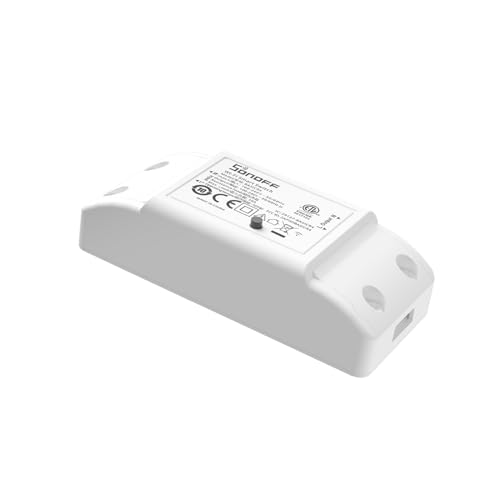
- Aroidful 100V-240V Mini WiFi Smart Light Switch, White
- TP-Link Deco X10(3-Pack) AX1500 Whole Home Mesh WiFi 6 System
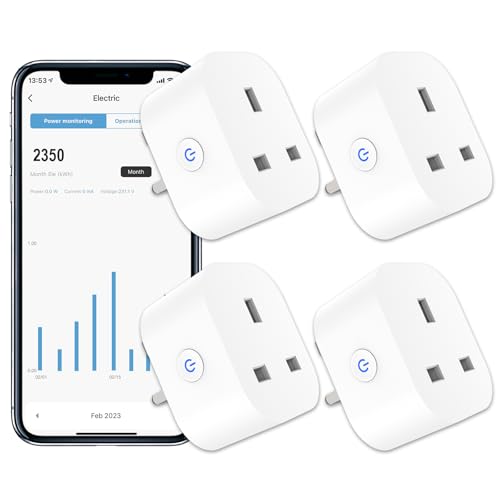
- Tapo P110(2-pack) Smart Plug, Energy Monitoring WiFi Plug, Max 13A
- EIGHTREE Smart Plug with Energy Monitoring and Cost Estimation, 13A, 2.4GHz
- Amazon Basics Single Outlet Indoor Wi-Fi Smart Plug, works with Alexa only, 1 Pack, White, UK
When considering a Smart WiFi system, look for features such as easy setup, seamless device handoff, and parental controls. Many models offer mobile apps for monitoring and management, enhancing your user experience. Furthermore, check for compatibility with smart home devices, ensuring that your network can support all your gadgets.
For traditional routers, focus on speed ratings, range, and the number of available ports. While they may be less expensive, they may require additional equipment like range extenders for optimal performance.
In summary, evaluate your specific needs and space to choose between Smart WiFi and traditional routers for the best internet experience.